

THE ARCHITECT OF TRANSFORMATION.
The Professional Narrative (The “Now”)
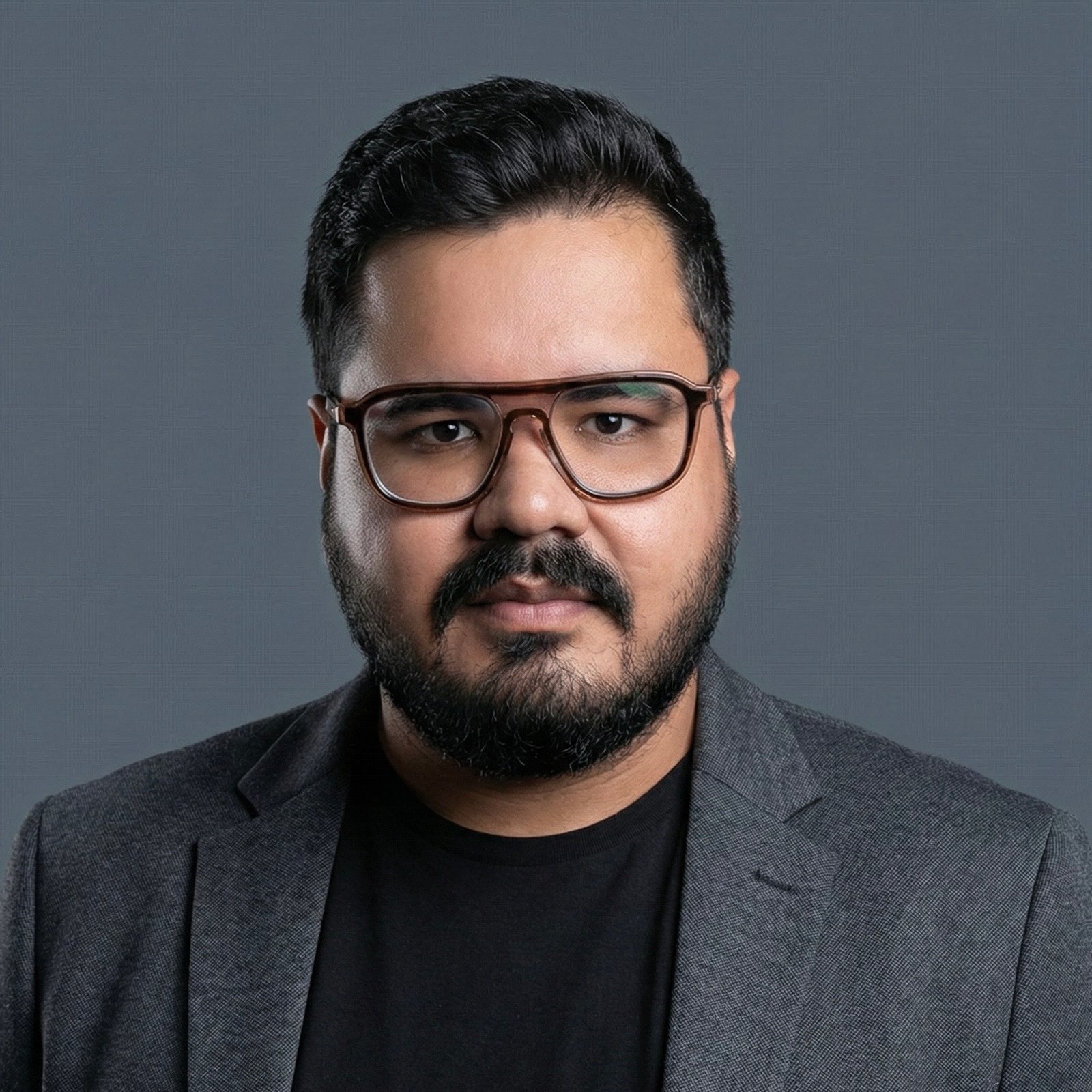
I am a Product Leader who still speaks “Code.” In a world of theoretical strategists, I am a builder. My career has been defined by a refusal to choose between technical execution and business strategy. I believe the best products are born when leadership understands the constraints of the code and the demands of the balance sheet.
From Startups to the S&P 500. I have navigated the complexities of massive ecosystems, architecting identity backbones for 1.8 million users at S&P Global and optimizing GovTech services for the City of Calgary. But my edge comes from the trenches of 0-to-1 ventures. This duality allows me to bring “Startup Velocity” to enterprise teams and “Enterprise Stability” to chaotic startups.
The AI Reality. Today, I am focused on operationalizing Generative AI. I don’t just talk about “AI Strategy”; I build RAG pipelines and “Vibe Code” my own prototypes to test what is real. I help organizations move beyond the hype to build revenue-generating intelligence.
The Origin Story: Trial by Fire
This is the story of how a business student became a technical architect.
The Accidental Engineer (Frendeal) I never planned to be in IT; I was a business student. But in college, I co-founded Frendeal, a hyper-local daily deals platform. The idea was validated, but we had a problem: we couldn’t afford developers. So, I taught myself the entire stack—from configuring DNS and server hosting to writing the vendor management code to developing web application. We gained traction, but when the team disbanded, I learned my first lesson: Execution matters more than the idea.
The First “CTO” Role (SETU) My tenure with the SETU Team (our college’s student-run IT unit) was my boot camp in product leadership. I started as a contributor but quickly rose to lead a 9-person engineering team for three years. We weren’t just building homework; we were running the campus digital infrastructure. I architected and delivered a suite of live products:
Operations: An Attendance Management System that digitized manual tracking for the administration.
Engagement: The Student Council Portal that became the central digital hub for campus life.
Real-Time Tech: A Live Cricket Scoreboard (2010) for the SEMCOM Premier League. We built a system to track and broadcast match stats in real-time—years before this was standard on mobile apps. This experience taught me that leadership isn’t just about code; it’s about managing a portfolio of products and unblocking a team of peers.
The Hard Lesson (Istudyapp) My second startup, Istudyapp, was a comprehensive LMS with mobile apps for parents and teachers. We engineered a masterpiece, but we were too early—smartphones hadn’t yet saturated the market, and our pricing strategy missed the mark. We eventually exited via an acquisition by a major educational group in Maharashtra. While the exit was a financial validation, I lost control of the product I loved due to a minority equity stake. That experience left me burned but wiser. It taught me that Great Code dies without Great Strategy.
My Leadership Philosophy: The “Hybrid” Operating Model
I don’t believe in rigid frameworks; I believe in adaptive systems. My leadership style is built to bridge the gap between “Move Fast” (Startup) and “Don’t Break Things” (Enterprise).
The “Translator” Protocol: Misalignment kills products faster than bad code. My primary role is to ensure that Engineering understands the Business “Why,” and that Executives understand the Technical “How.” When everyone speaks the same language, velocity increases automatically.
Outcomes > Output: I do not measure success by the number of features shipped or tickets closed. I measure it by behavior change. Did we reduce support costs? Did we increase retention? If the code doesn’t move a business metric, it’s just digital clutter.
Strong Opinions, Loosely Held: In the face of ambiguity, I lead with conviction to keep the team moving. However, I cultivate a culture where data beats hierarchy. If a junior developer brings data that proves me wrong, we pivot immediately. The goal is to get it right, not to be right.
Psychological Safety is Infrastructure: Innovation requires risk, and risk requires safety. I build teams where “bad news travels faster than good news.” If a team member is afraid to report a blocker or a mistake, that is a leadership failure, not a personnel failure.
Beyond the Screen: The “Optimizer” Mindset
When I’m not architecting product roadmaps, I am a husband and a father to two daughters in Calgary, Alberta.
I don’t just “switch off” my product brain at 5 PM; I apply the same principles of optimization and systems thinking to my life.
The Continuous Learner: Whether it’s deep-diving into latest tech trends, or hacking together a custom utility formula for my rental properties, I am obsessed with how complex systems work.
The First Teacher: Currently, my most important product roadmap is helping my eldest daughter master English and be ready for school. We treat learning like an iterative sprint—constant feedback, small wins, and daily stand-ups (at the dinner table).
The Builder: I believe that if you aren’t building, you’re stagnating. I spend my weekends testing new GenAI tools or helping my wife scale her marketing business, proving that the best way to predict the future is to hack it together yourself.